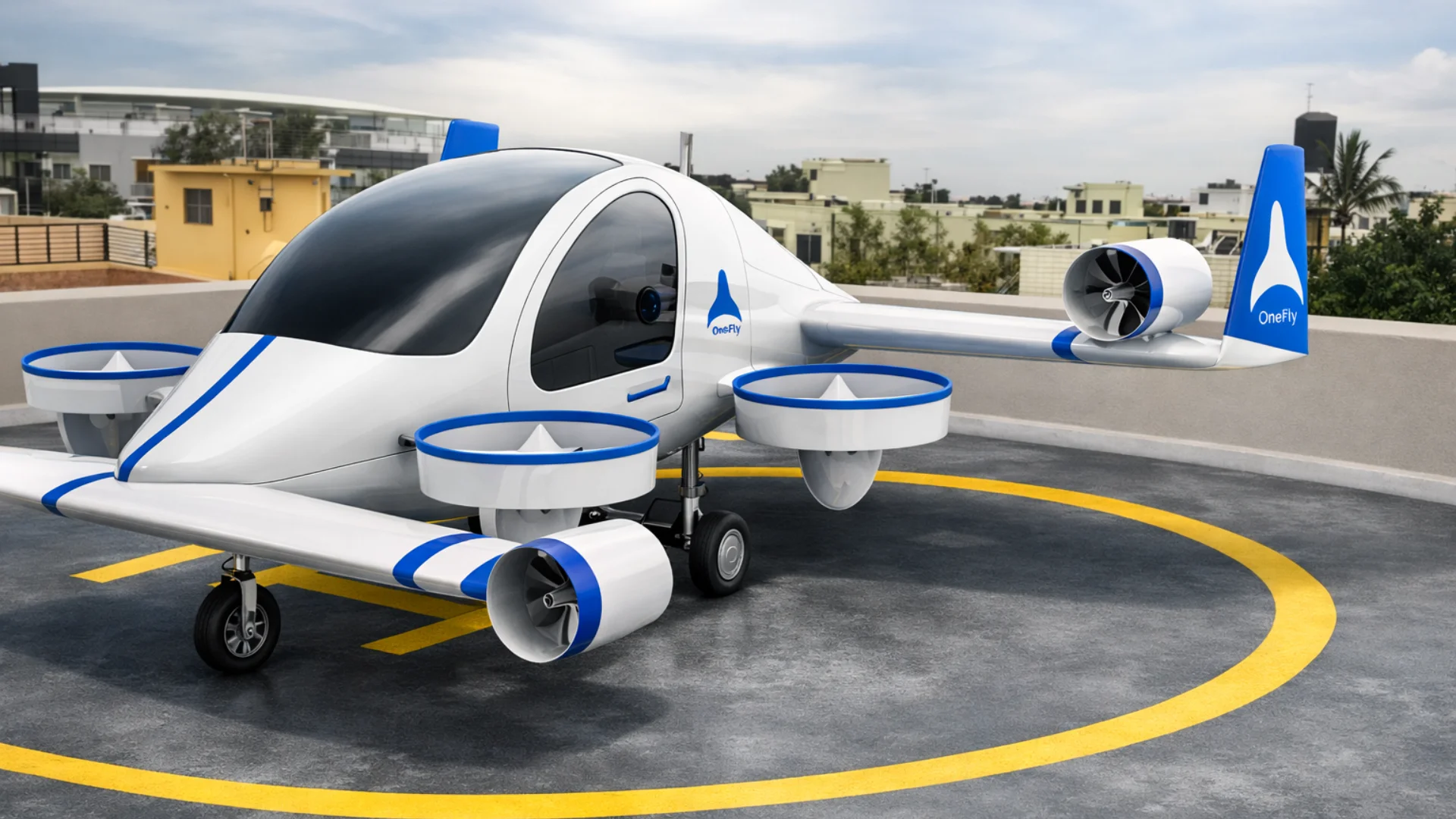
Traffic congestion in major cities has become a serious problem today. From daily office commuters to emergency services, everyone is forced to spend hours stuck on the roads. Air taxi services are emerging as a promising solution to this growing issue. In the coming years, air taxis taking off from rooftops will not only save time but also have the potential to completely transform urban transportation. In this article, we will explain in detail everything related to air taxis, including their benefits, technology, cost, and future possibilities.
What Is an Air Taxi
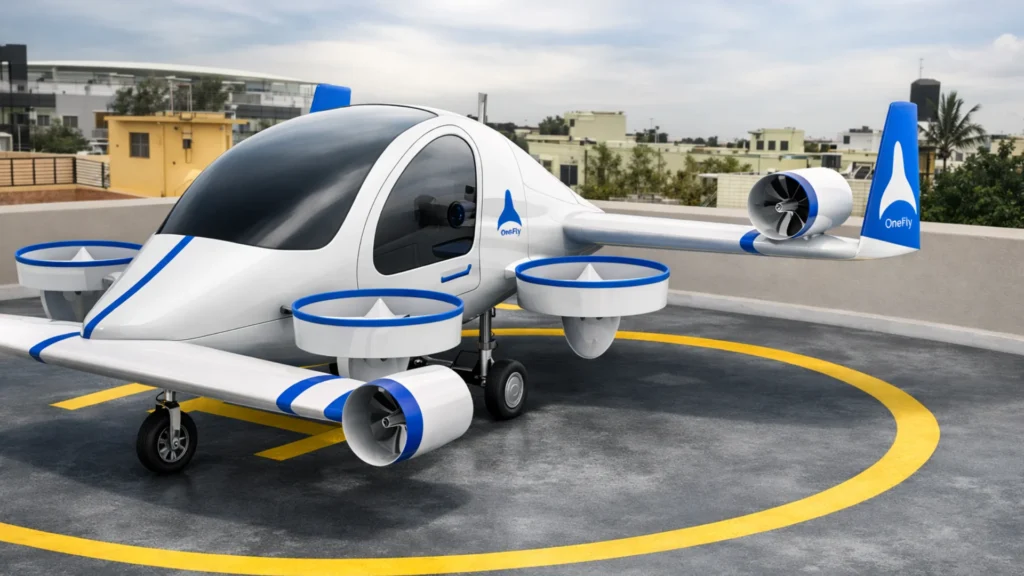
An air taxi is a type of electric vertical takeoff and landing vehicle, also known as eVTOL. It looks similar to a helicopter but runs entirely on electric power and produces much less noise. Air taxis are specially designed for urban areas so they can take off and land from building rooftops or small helipad-like platforms. These vehicles can carry a limited number of passengers and are mainly meant for short-distance travel within cities.
Read More: Budget Tata Solar Panels Launched in India: 5kW System at Just ₹55,000, Generates 25 Units Daily
How Air Taxis Work
Air taxis operate using advanced battery systems and electric motor technology. They are equipped with multiple rotors that allow them to take off vertically and land safely. Passengers will be able to book air taxis through mobile apps, similar to booking a cab today. These taxis will operate from dedicated vertiports across the city and transport passengers to their destinations within a fixed and much shorter time.
Relief From Urban Traffic
One of the biggest advantages of air taxis is the reduction of traffic pressure on roads. A journey that may take one to one and a half hours by road can be completed in just a few minutes using an air taxi. This will not only save time but also reduce fuel consumption and traffic congestion. In metropolitan cities especially, air taxi services can prove to be a game changer.
Environmental Benefits
Since air taxis are fully electric, they are considered environmentally friendly. They do not use petrol or diesel, which significantly reduces carbon emissions. Compared to traditional helicopters, air taxis also generate much less noise, helping to reduce noise pollution in crowded urban areas. Governments and environmental experts see air taxis as an important step toward green and sustainable transportation.
Air Taxi Development in India
Work on air taxi technology is progressing rapidly in India as well. Several startups and major technology companies are investing in research and development in this field. The government is also working on policies to promote urban air mobility. In the coming years, trial runs of air taxi services are expected in major cities such as Delhi, Mumbai, Bengaluru, and Hyderabad. Initially, these services may be available on limited routes.
Fare and Accessibility
In the early stages, air taxi fares may be relatively high because the technology is new and advanced. However, experts believe that as adoption increases and production scales up, costs will gradually come down. In the future, air taxi services could become affordable for the general public, much like air travel, which was once considered a luxury but is now widely accessible.
Safety and Regulations
Safety is a top priority in air taxi operations. These vehicles will be equipped with advanced safety systems, automatic flight controls, and emergency landing features. Strict rules and guidelines will be set by civil aviation authorities before allowing commercial operations. Passenger safety will remain the primary focus as this service is introduced.
How Air Taxis Will Change the Future
Air taxis have the potential to completely change urban lifestyles. Commuting to offices, reaching airports, or traveling across the city for important meetings will no longer take hours. Rooftop air taxis will not only solve traffic problems but also help bring the vision of smart cities closer to reality. If everything goes as planned, seeing taxis flying across city skies could soon become a common sight.